Nine Project Management Methodologies
2026-08-11 10:58
Tags: #pm
Author: Duke Hsu
Question:
Please provide different project management methodologies with a brief description
Answer:
There are nine different Project Management Methodologies, and we can use them
depending on the situation.
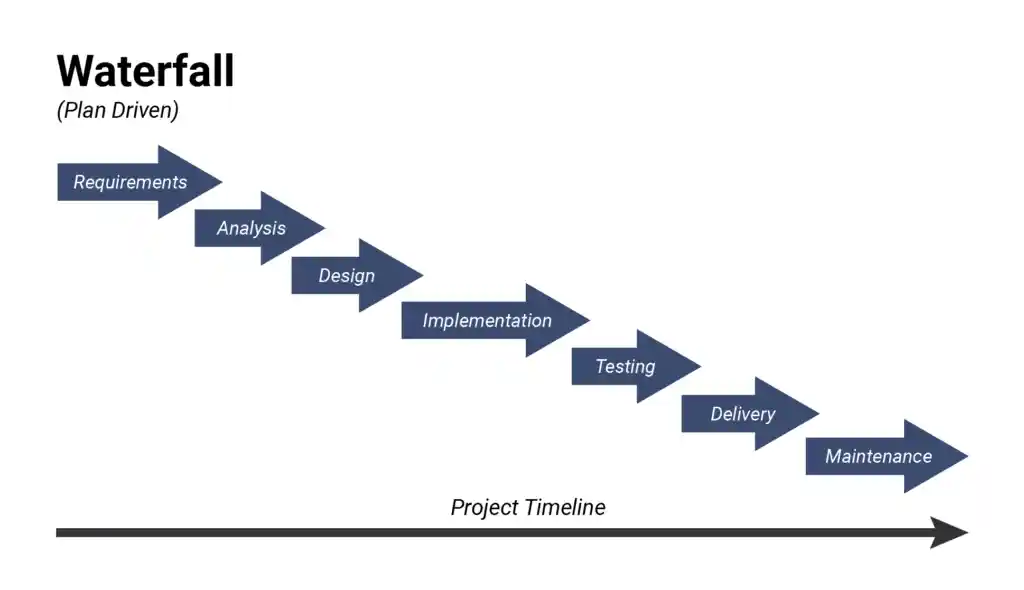
1. Waterfall - Follow the plan step by step.
Waterfall is a simple and traditional way to manage a project. We finish one phase
before moving to the next one. It works well when the project requirements are clear
and we don’t expect many changes. For example we can use Waterfall in software
development when the requirements are already well-defined.
Figure 1 - Water fall
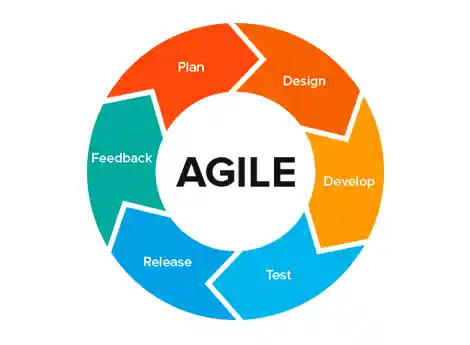
2. Agile - Build, get feedback, improve, and repeat.
Agile is a flexible way to manage a project. We work in small steps and improve the
project based on feedback. It is useful when requirements change frequently
Figure 2 - Agile
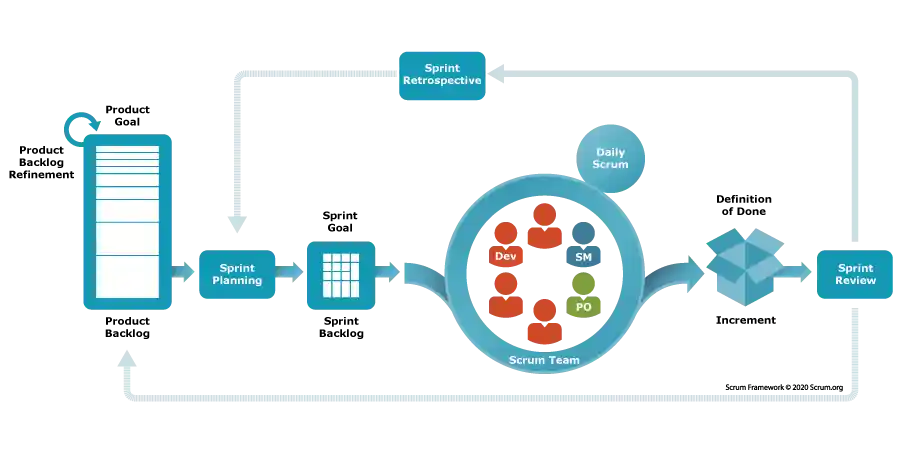
3. Scrum - Agile + Sprints + Teamwork + Regular reviews
Scrum is an agile method used to manage projects. We divide the work into short
periods called Sprints. During each Sprint, the team works on specific tasks, reviews
the results, and makes improvements.
Figure 3 - Scrum
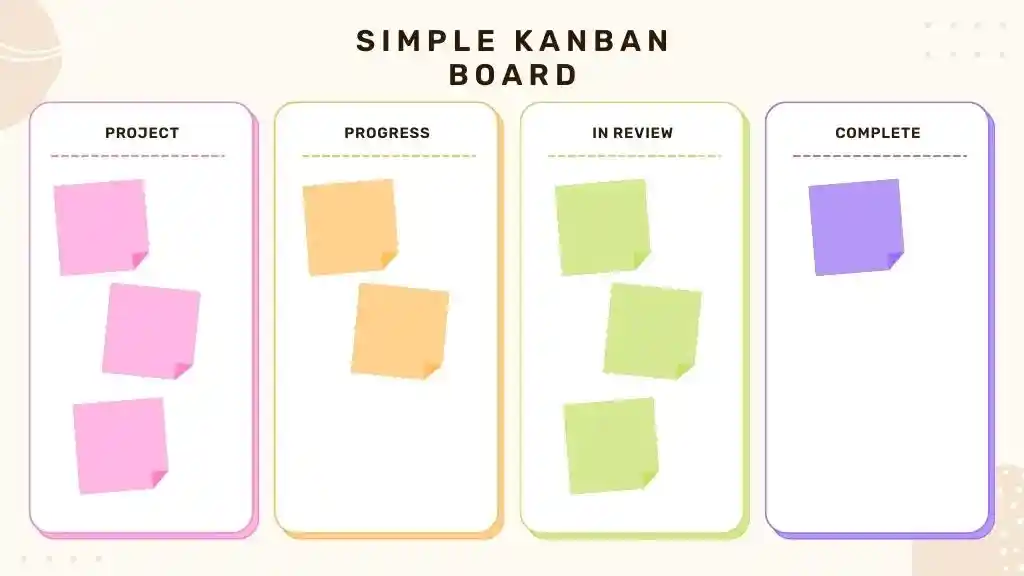
4. Kanban - Todo list > In Progress > Done -Visual board
Kanban uses a visual board to track tasks. Tasks move from To Do, to In Progress,
and finally to Done. It helps the team manage the workflow and see the project
progress clearly .
Figure - 4 Kanban board
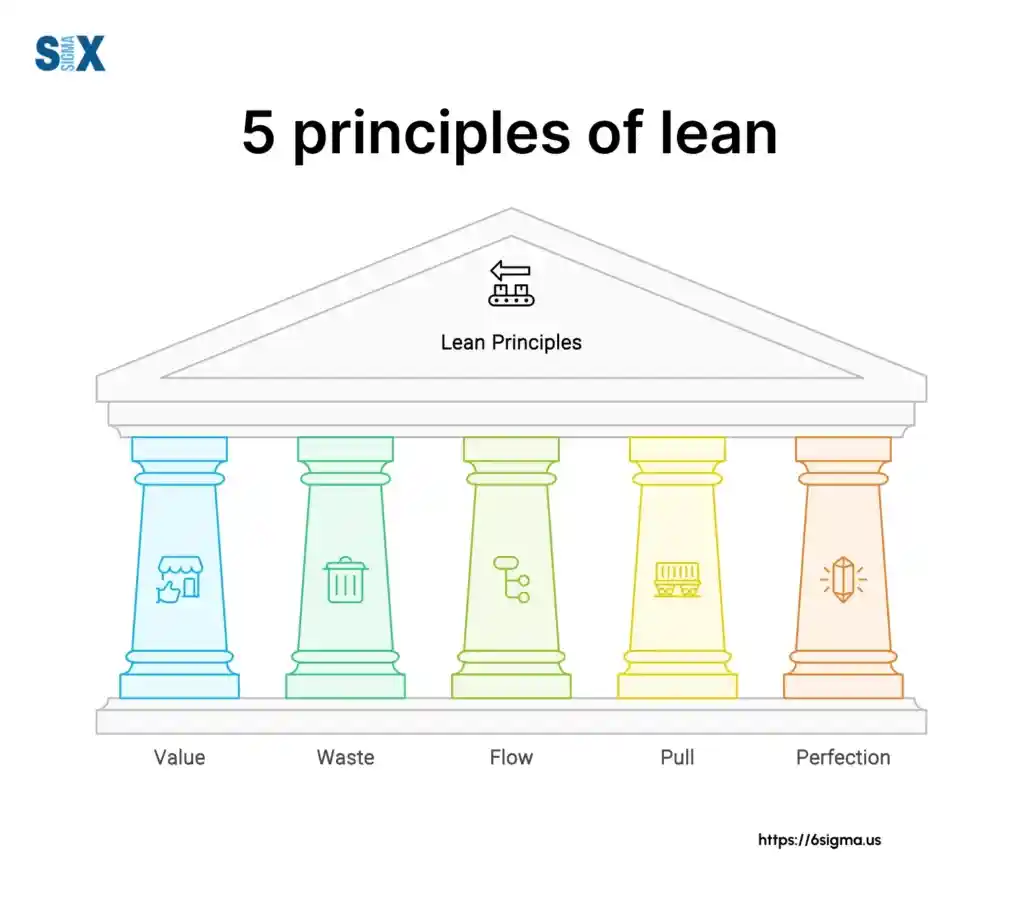
5. Lean - Reduce waste + Improve efficiency + Deliver value
Lean is a project management method that focuses on reducing waste and improving
efficiency. The goal is to use fewer resources, save time, and provide more value to
the customer. For example, if a team spends too much time in unnecessary meetings,
Lean helps reduce those meetings so the team can focus on important work.
Figure - 5 5 principles of Lean
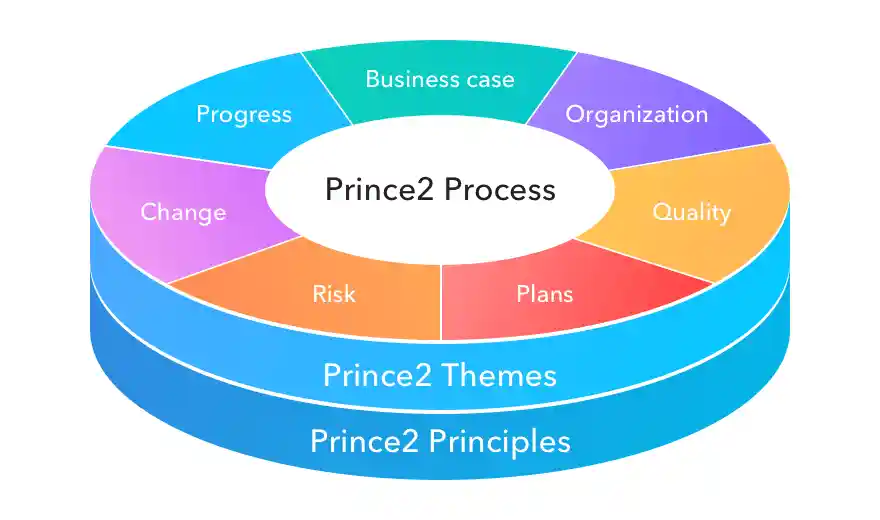
6. PRINCE2 - (Project In Controlled Environments) - Structure + Control + Stages
- Clear Roles.
PRINCE 2 is a structured project management method. It divides a project into
different stages, and each stage is planned, managed, and reviewed before moving to
the next stage. For example, a company wants to develop a new website. First , the
team plans to project and assign roles. After completing the design stage, they review
the results before starting development. This helps the company control the project’s
time, cost, and quality.
Figure - 6 Prince2 Process
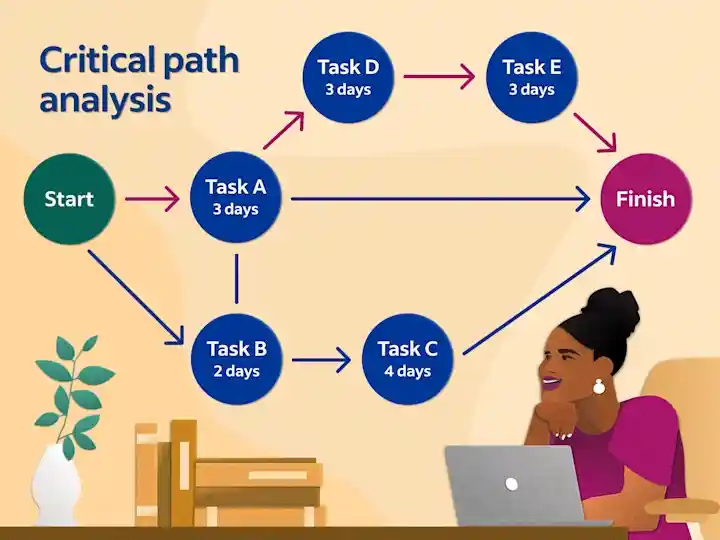
7. Critical Path Method (CPM) - Find the tasks that cannot be late
CPM is a project management method used to identify the most important sequence
of tasks in a project. If one task on the critical path is delayed, the whole project may
be delayed. For example, when developing a website, we need to finish development
before testing, and testing before deployment. If one of these critical tasks is delayed,
the whole project may be delayed, CPM helps us identify and manage these
important tasks.
Figure - 7 Critical path analysis
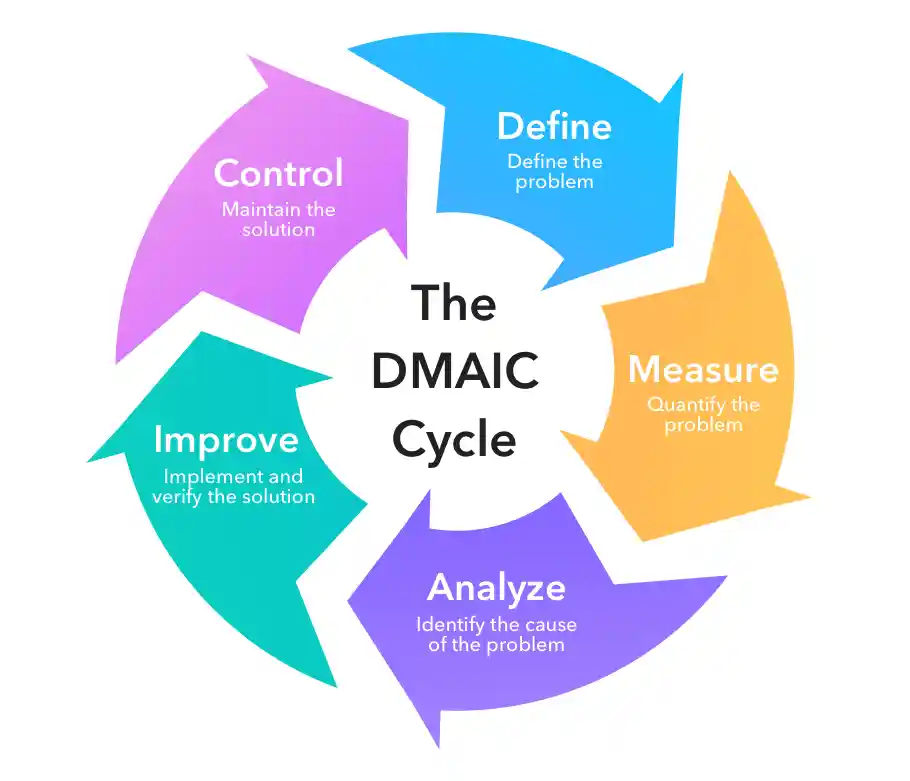
8. Six Sigma - Data +Find Problems + Reduce Errors + Improve Quality
A methodology that aims to improve process efficiency and quality by identifying and
removing defects or variations. Often used in manufacturing but applicable to various
industries.
DMAIC
D - Define Problems
M - Measure / Collect Data
A - Analyze Problems
I - Improve SOP
C - Control
DMADV
D - Define
M - Measure
A - Analyze
D - Design
V - Verify
Figure - 8 The DMAIC Cycle
9. Extreme Programming (XP) - Build > Test > Get Feedback > Improve > Repeat
XP is a software development method that focuses on writing good code, testing
frequently, and improving the software based on customer feedback. For example, I'm
developing a schedule maker app. I first released a simple version, asked my
classmates for feedback, fixed problems, made small improvements, and tested the
features frequently. This is similar to the XP approach.
Figure - 9 Planning / Feedback loops

References
Module 1 - Intro to PM.pdf Page 13-14
Aguayo. (n.d.). Agile methodology in UX. Aguayo.
https://aguayo.co/en/blog-aguayo-user-experience/agile-methodology-in-ux/
Scrum.org. (n.d.). What is Scrum (Module). Scrum.org.
https://www.scrum.org/resources/what-scrum-module
6Sigma.us. (n.d.). 5 principles of lean. 6Sigma.us.
https://www.6sigma.us/lean-six-sigma-articles/5-principles-of-lean/
PROJECT NABAFENEBT 29117 1830-2000 TF
Indeed Editorial Team. (n.d.). Critical pathway analysis. Indeed.
https://www.indeed.com/career-advice/career-development/critical-pathway-analysis
Startinfinity. (n.d.). PRINCE2. Startinfinity.
https://startinfinity.com/project-management-methodologies/prince2
ActiTIME. (n.d.). What is the waterfall model? ActiTIME.
https://www.actitime.com/project-management/what-is-waterfall-model
Startinfinity. (n.d.). Six sigma. Startinfinity.
https://startinfinity.com/project-management-methodologies/six-sigma
Wikipedia contributors. (n.d.). Extreme programming. In Wikipedia.
https://en.wikipedia.org/wiki/Extreme_programming